Clinical Case Scenario
A 50-year-old woman with type 2 diabetes mellitus, systemic hypertension, and end-stage kidney disease on maintenance haemodialysis twice weekly presents with progressive drowsiness for 10 days with worsening sensorium, visual hallucinations and confusion for the past 2 days. There is no history of fever, headache, vomiting, seizures, trauma, or recent fall. Her last haemodialysis session was 4 days back.
Two weeks back, she was diagnosed with tuberculous osteomyelitis of the left ankle (subtalar joint) after biopsy demonstrated epithelioid granulomatous inflammation, and GeneXpert MTB/RIF was positive for Mycobacterium tuberculosis. She was started on antitubercular therapy.
Current medications:
- Isoniazid 300 mg once daily
- Pyrazinamide 750 mg three times weekly
- Ethambutol 800 mg three times weekly
- Pyridoxine 20 mg once daily
- Bisoprolol
- Aspirin
- Sevelamer
- Sodium bicarbonate
On examination, the patient is drowsy, arousable, obeys simple commands but disoriented with intermittent agitation and irrelevant speech. No focal neurological deficits.
Vital signs:
- Temperature:98 F
- Blood pressure: 190/100 mmHg
- Pulse: 82/min, regular
- Respiratory rate: 24/min
- SpO₂: 98% on room air
Investigations:
- ECG: Normal sinus rhythm.
- Non-contrast CT brain: No acute intracranial abnormality; an incidental small meningioma is noted.
Laboratory Investigations:
ABG: pH 7.45, PaCO₂ 34 mmHg, PaO₂ 102.9 mmHg, HCO₃⁻ 23.4 mmol/L, lactate 0.67 mmol/L
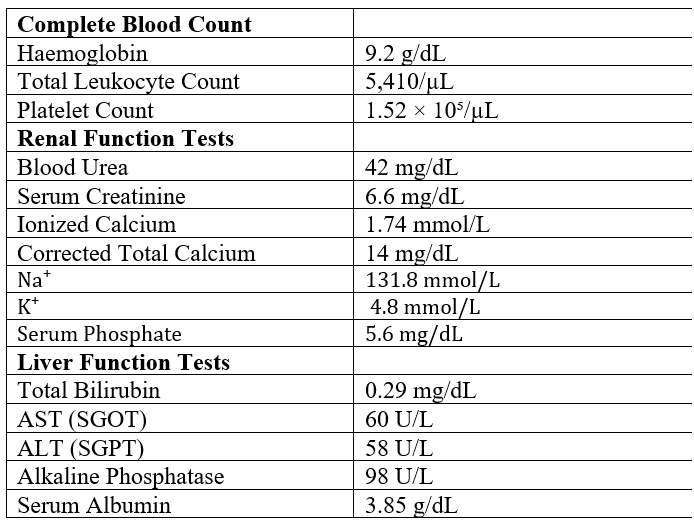
Question:
Which of the following actions is least appropriate in the initial management of this patient?