Clinical Case Scenario
A 58-year-old woman presented with persistent nausea, vomiting, constipation, progressive weight loss, dehydration, and altered sensorium worsening over the preceding 48 hours.
On examination, she was drowsy but arousable with features of severe dehydration. Her blood pressure was 100/60 mmHg, heart rate - 110 beats/min and she was afebrile.
Initial laboratory investigations revealed:
- Corrected serum calcium: 8 mg/dL
- Serum phosphate: 8 mg/dL
- Serum creatinine: 2 mg/dL
- Intact parathyroid hormone (PTH): 2400 pg/mL
ECG demonstrated a short QT interval.
Neck ultrasonography identified a parathyroid adenoma,
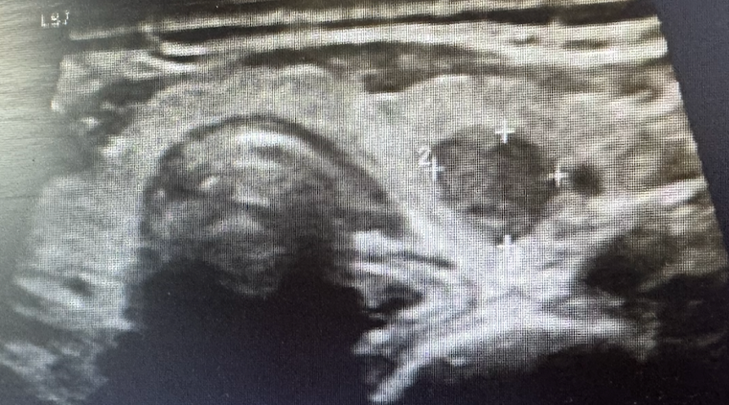
PET-CT confirmed a metabolically active parathyroid tumour with associated brown tumour, suggesting long-standing severe primary hyperparathyroidism with extensive skeletal involvement.
The patient was diagnosed with hypercalcaemic crisis secondary to primary hyperparathyroidism. Following aggressive intravenous hydration and optimisation of metabolic abnormalities, she underwent successful parathyroidectomy.
The immediate postoperative period was uneventful. However, on postoperative day 3, she developed perioral numbness, carpopedal spasm, and a positive Trousseau sign, suggestive of symptomatic hypocalcaemia.
Repeat investigations demonstrated:
- Serum calcium: 6.2 mg/dL
- Serum phosphate: 2.0 mg/dL
- Serum magnesium: 1.4 mg/dL
- Intact PTH: 45 pg/mL (within normal range)
The presence of profound hypocalcaemia with normal postoperative PTH. What is the most likely explanation for the hypocalcemia?